
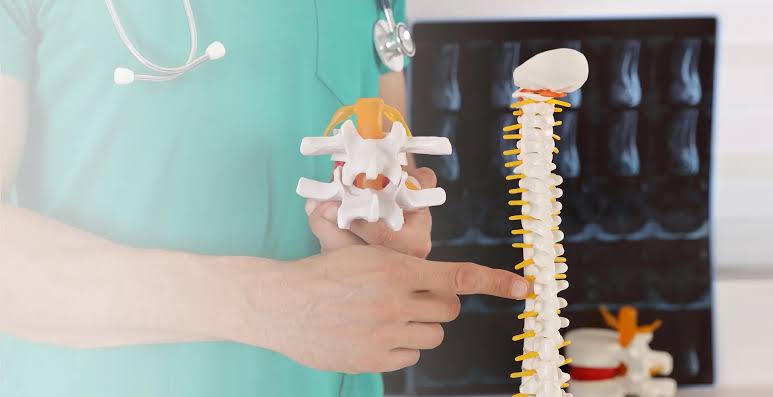
Back pain and neck pain have become increasingly common due to sedentary lifestyles, prolonged sitting, poor posture, and age-related spinal degeneration. While many spine conditions can be managed with medications, physiotherapy, and lifestyle changes, some patients require surgical intervention to achieve lasting relief.
Fortunately, modern medical advancements have transformed spine surgery. One of the most advanced and patient-friendly techniques available today is Endoscopic Spine Surgery (ESS). This minimally invasive procedure allows surgeons to treat various spinal disorders through a tiny incision while minimizing damage to surrounding muscles and tissues.
What Is Endoscopic Spine Surgery?
Endoscopic Spine Surgery is a minimally invasive surgical technique that uses a specialized camera called an endoscope. The endoscope is inserted through a small incision, typically less than 1 cm in length, allowing the surgeon to view and operate on the affected spinal structures with exceptional precision.
Unlike traditional open spine surgery, endoscopic procedures preserve healthy muscles, ligaments, and bones, resulting in less pain and a faster recovery process. Modern endoscopic techniques are increasingly being used for treating spinal conditions that previously required larger surgical procedures.
Conditions Treated with Endoscopic Spine Surgery
Endoscopic Spine Surgery can effectively treat several spinal disorders, including:
1. Herniated Disc (Slip Disc)
A herniated disc occurs when the soft inner material of a spinal disc protrudes and compresses nearby nerves, causing pain, numbness, and weakness.
2. Sciatica
Compression of the sciatic nerve can lead to radiating pain from the lower back to the legs. Endoscopic surgery helps relieve nerve pressure and reduce symptoms.
3. Lumbar Canal Stenosis
Spinal stenosis occurs when the spinal canal narrows, placing pressure on nerves and causing pain, tingling, or difficulty walking.
4. Cervical Radiculopathy
Nerve compression in the neck can result in pain, numbness, and weakness extending into the shoulders and arms.
5. Degenerative Disc Disease
Age-related degeneration of spinal discs can cause chronic back pain and reduced mobility.
6. Foraminal Stenosis
Narrowing of the nerve passageways can compress spinal nerves and lead to persistent pain and neurological symptoms.
How Is Endoscopic Spine Surgery Performed?
The procedure is generally performed under local anesthesia with sedation or general anesthesia, depending on the patient’s condition.
The surgical process includes:
- Creating a small incision near the affected spinal level
- Inserting an endoscope equipped with a high-definition camera
- Visualizing the compressed nerve or damaged disc on a monitor
- Removing the problematic tissue using specialized instruments
- Preserving surrounding muscles and healthy spinal structures
Because the incision is extremely small, blood loss and tissue trauma are significantly reduced compared to traditional surgery.
Advantages of Endoscopic Spine Surgery
Smaller Incisions
The procedure requires only a tiny incision, leading to minimal scarring.
Less Muscle Damage
Unlike conventional surgery, muscles are gently separated rather than cut, preserving normal anatomy.
Reduced Postoperative Pain
Patients generally experience less pain after surgery due to limited tissue disruption.
Faster Recovery
Many patients can return to their normal daily activities much sooner than with traditional spine surgery.
Shorter Hospital Stay
In many cases, patients are discharged on the same day or within 24 hours.
Lower Risk of Infection
Smaller wounds reduce the likelihood of postoperative infections and complications.
Better Cosmetic Results
Minimal scarring makes the procedure aesthetically preferable for many patients.
Who Is an Ideal Candidate for Endoscopic Spine Surgery?
You may be a suitable candidate if you:
- Have persistent back or neck pain despite conservative treatment
- Suffer from sciatica or nerve-related leg pain
- Have a diagnosed herniated disc
- Experience numbness, tingling, or muscle weakness
- Have spinal stenosis causing mobility issues
- Require surgical treatment but prefer a minimally invasive approach
A thorough clinical evaluation, neurological examination, and imaging studies such as MRI are necessary before determining eligibility.
Recovery After Endoscopic Spine Surgery
Recovery is typically much faster than conventional spine surgery.
Most patients can:
- Walk within a few hours after surgery
- Resume light activities within a few days
- Return to office work within one to two weeks
- Gradually return to normal physical activities under medical guidance
Physical therapy may be recommended to strengthen the spine and improve long-term outcomes.
Risks and Limitations
Although Endoscopic Spine Surgery is considered safe and effective, like any surgical procedure, it carries certain risks, including:
- Infection
- Bleeding
- Nerve injury
- Recurrence of disc herniation
- Persistent symptoms in rare cases
Choosing an experienced spine surgeon significantly reduces these risks and improves surgical outcomes.
Why Choose Dr. Raju B. Mundhe for Spine Care?
Dr. Raju B. Mundhe is committed to providing advanced spine care using evidence-based treatment approaches. Every patient undergoes a detailed assessment to determine whether conservative management or minimally invasive surgery is the most appropriate option.
The goal is always to relieve pain, restore mobility, and help patients return to their normal lives with the least possible disruption.
Frequently Asked Questions (FAQs)
Is Endoscopic Spine Surgery painful?
Most patients experience significantly less pain compared to traditional open spine surgery due to smaller incisions and minimal tissue damage.
How long does the surgery take?
The duration varies depending on the condition being treated, but most procedures are completed within one to two hours.
Can I walk after surgery?
Yes. Many patients are encouraged to walk on the same day of surgery.
Is Endoscopic Spine Surgery safe?
When performed by a trained spine surgeon, the procedure is considered highly safe and effective.
Will I need physiotherapy after surgery?
Many patients benefit from a personalized rehabilitation program to maximize recovery and prevent future spine problems.
Conclusion
Endoscopic Spine Surgery represents a major advancement in modern spine care. By combining cutting-edge technology with minimally invasive techniques, it offers patients a safer, faster, and more comfortable alternative to traditional spine surgery.
If you are struggling with chronic back pain, sciatica, slip disc, or spinal stenosis and have not found relief through conservative treatments, Endoscopic Spine Surgery may be the solution you need. Early diagnosis and expert evaluation can help you regain mobility and enjoy a pain-free life.
Book a consultation with Dr. Raju B. Mundhe to learn whether Endoscopic Spine Surgery is the right treatment option for you.